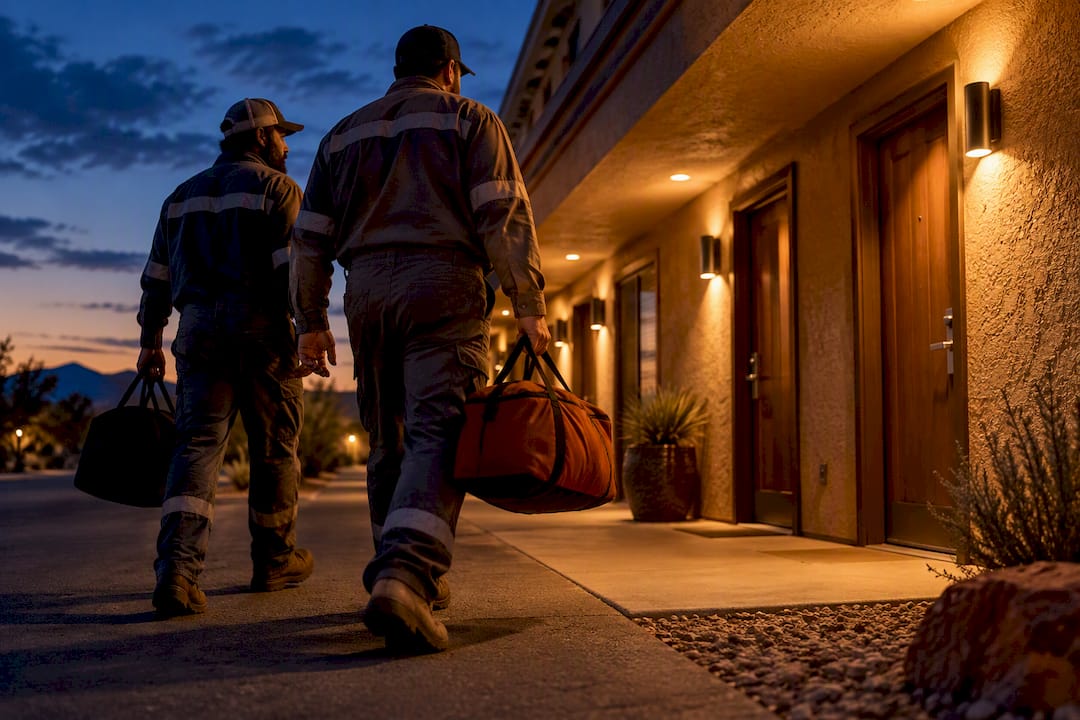
For multi-week oilfield assignments, choose lodging that shortens your commute and maximizes rest. That usually means full-hookup RV sites, furnished lodge rooms, crew camps, or extended-stay hotel rooms located as close to the site as your job allows. The single rule that beats every other factor: pick housing that minimizes drive time and protects sleep, since fatigue behind the wheel is the biggest safety risk crews face. A property like Mesquite Oasis, built specifically for extended-stay workforce guests, fits that priority directly.
TL;DR:
- Lodging within 30 minutes of the site is crucial to prevent fatigue-induced safety risks during extended oilfield assignments.
- Verify transport options and amenity availability, especially for overnight access and shift overlap, before booking any housing.
- Booking 30 to 60 days in advance is recommended to secure suitable options and avoid scattered accommodations during project starts.
- OSHA considers housing required as part of employment, making safety responsibilities and recordkeeping obligations shift to the employer.
- Mesquite Oasis offers predictable, secure housing in Odessa with full hookups and furnished rooms starting at $300 weekly, ideal for crew rotations.
Table of Contents
- Types of Housing Used by Oilfield Workers
- How to Pick Housing That Keeps You Safe and Productive
- Booking Timelines and Budgeting for Project-Based Stays
- What to Expect During an Extended Stay
- OSHA Rules and Recordkeeping for Employer-Provided Housing
- Lessons From Managing Long Crew Rotations
- Book Extended-Stay Housing Built for Oilfield Crews
- Sources
- FAQ
Types of Housing Used by Oilfield Workers
Every crew has different needs, and the right lodging depends on role, crew size, and how long the assignment runs.
- Full-hookup RV sites give contractors who tow their own rig water, sewer, and 30 or 50 amp power without hunting for a dump station every few days.
- Furnished lodge rooms work for workers without a trailer. Expect a bed, utilities, and Wi-Fi included, with laundry and common areas nearby.
- Extended-stay hotels offer flexibility for short rotations but rarely include the community space or vehicle parking crews need.
- Crew camps (man camps) house larger groups under one roof, often bundling meals and transport, though capacity and service quality vary a lot by operator.
Before booking anything, confirm what’s actually included: laundry hours, whether Wi-Fi covers the whole property, transportation to the pad, and whether meals are part of the rate or an add-on. Supervisors booking for a full crew should ask about block rates and consolidated invoicing; a solo contractor cares more about a private room and a quiet block for sleep.
How to Pick Housing That Keeps You Safe and Productive
Journey management is the term OSHA uses for planning routes, rest, and transport to cut down on fatigue-related incidents, and it should drive your housing decision more than price does. The agency’s guidance on transporting personnel recommends dedicated crew transport, staggered travel plans, and giving any worker STOP WORK authority if they’re too fatigued to drive. None of that works if your lodging sits 45 minutes from the pad.
Run through this before signing anything:
- Map the actual drive time from lodging to site, not the straight-line distance.
- Ask whether transport is provided or if you’re driving yourself after a 12 hour shift.
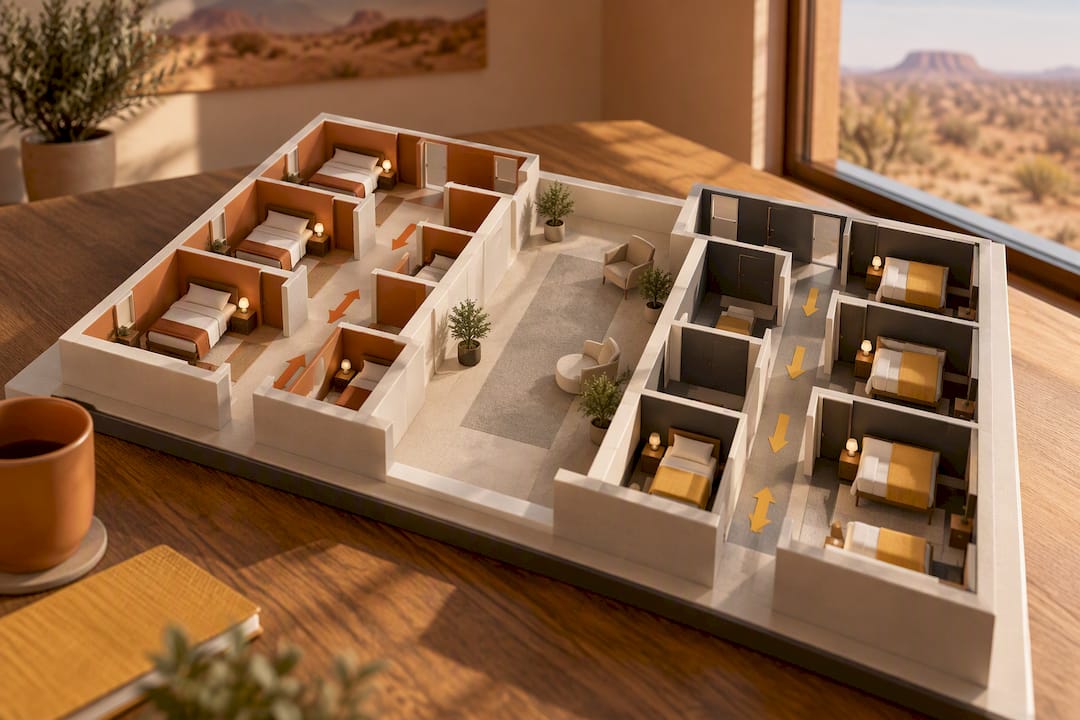
- Check for shift overlap. If day and night crews share a bunkhouse, ask about arrival windows and quiet hours.
- Confirm on-site rest facilities, like a lounge or 24/7 access to your room, exist for early check-ins after odd-hour shifts.
- Find out whether housing is required by your employer or optional. That distinction matters for recordkeeping, covered below.
OSHA’s fatigue prevention guidance is blunt about this: workers should lodge close enough to the site that they aren’t driving long distances after extended or irregular shifts. Ask your employer directly: is transport provided, are amenities accessible around the clock, and what’s the arrival window at shift change? Vague answers to any of those three questions are a red flag.
Pro Tip: If your crew rotates between day and night shifts, ask the property whether rooms are assigned by shift pattern. Getting stuck next to a crew on the opposite schedule is one of the most common, and most avoidable, sleep killers on a long assignment.
Booking Timelines and Budgeting for Project-Based Stays
Oilfield housing markets move fast when a new pad or turnaround starts up, and waiting until the week before your assignment is how crews end up scattered across three different motels. Book 30 to 60 days out when you can, longer for a crew of ten or more.
When you’re comparing rates, confirm:
- Whether meals, laundry, and transport are bundled in or billed separately
- The extension policy if your assignment runs long, which it usually does
- Whether the property offers consolidated monthly invoicing for company-booked crews
- Cancellation terms in case the schedule shifts
Local rent context helps here. In Odessa, the median gross rent runs $1,315 a month, and Midland runs $1,434, which tells you private apartment leasing in this market isn’t cheap or fast to arrange for a short-term crew. That’s exactly why bundled weekly or monthly rates at a dedicated workforce property often beat piecing together an apartment lease and separate utilities. A higher sticker price that includes laundry and Wi-Fi frequently costs less in time and hassle than the cheapest nightly rate with nothing included.
What to Expect During an Extended Stay
Once you’ve booked, a few checks on arrival save headaches later. Confirm your PIN or key code works on every amenity door, not just your room. Test the Wi-Fi in the actual unit, since signal strength varies across a property. Ask about laundry hours and whether there’s a separate lot for oversized trucks or trailers.
- Verify PIN access to gym, laundry, and common areas before you settle in
- Note quiet hours if you’re on a night rotation
- Park according to posted rules; oversized vehicles often need a specific lot
- Do a quick buddy check before anyone drives after a long shift
Daily routines matter more than people expect on a six-week rotation. A consistent wind-down ritual, even something as simple as the same 20 minutes offline before bed, helps regulate sleep when your shift schedule keeps shifting. On-site amenities like a gym or laundry room aren’t just conveniences. They cut the number of off-site errands that eat into rest time, which ties directly back to the fatigue math from the section above.
Pro Tip: Do a five-minute buddy check before driving after a double shift. Ask the person if they slept and if they feel sharp. It costs nothing and it’s the same principle behind the STOP WORK authority OSHA recommends for fatigued drivers.
OSHA Rules and Recordkeeping for Employer-Provided Housing
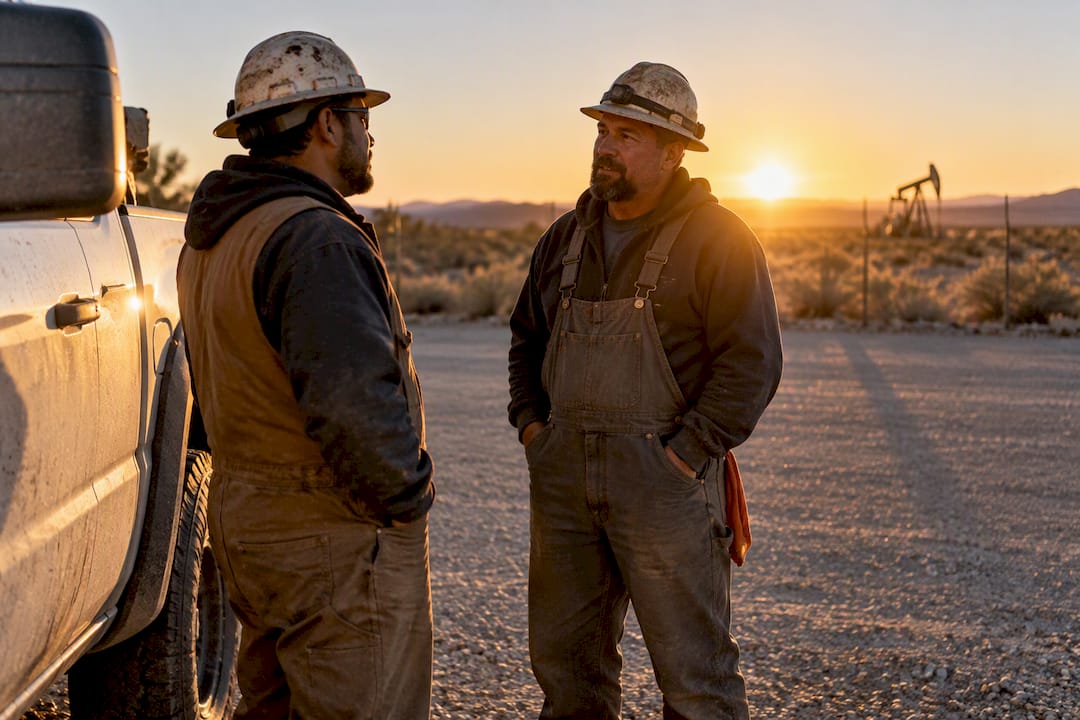
OSHA draws a real distinction between housing that’s a convenience and housing that’s a condition of employment, and it affects how injuries get recorded. Employer-furnished housing is ordinarily treated as a home-away-from-home, meaning most incidents there fall outside standard recordkeeping. But if the employer requires that specific housing, or if injuries happen on employer-controlled transport or access points used for work, that changes.
When housing or transport is required as a condition of employment rather than offered as a convenience, the employer generally assumes responsibility for the safety of that environment, and related injuries may need to be recorded.
For supervisors, this isn’t just paperwork. It means:
- Document whether housing is mandatory or optional in the assignment terms
- Keep records of who’s staying where, especially for company block bookings
- Apply the same transport safety protocols to the housing commute as you would to on-site movement
- Review this distinction with HR before a long rotation starts, not after an incident
Getting this wrong doesn’t just create a compliance headache. It leaves ambiguity about who’s responsible if something goes wrong on the drive between the bunkhouse and the pad.
Lessons From Managing Long Crew Rotations
The crews that finish a rotation strong are the ones who treated housing like part of the job, not an afterthought. Rest, proximity to site, and predictable transport consistently outperform a lower nightly rate. Verify amenities before you arrive, not after. The properties that make PIN access, laundry hours, and parking rules clear up front are the ones that actually deliver on them.
Book Extended-Stay Housing Built for Oilfield Crews
Mesquite Oasis is built around the priorities this guide covers: reducing commute stress and supporting rest during long assignments. The property offers full-hookup RV sites and furnished lodge rooms in Odessa, with the application, approval, and payment process handled online, so guests can avoid phone tag with the office. Amenities such as the gym and laundry room unlock with a personal PIN code, addressing access and security concerns.

Rates run $300 a week or $795 a month for 30 or 50 amp RV sites, and $400 a week or $1,350 a month for a single room, or $550 a week or $1,700 a month for a bunk bedroom. Companies booking for a full crew get consolidated monthly invoicing instead of chasing down individual payments. If you’re planning a rotation and want predictable, secure housing without the back-and-forth, apply and pay online or check current rates and availability before your next assignment starts.
Sources
- eTool: Oil and Gas — Transporting personnel | Occupational Safety and Health Administration
- Census QuickFacts — Odessa city, Texas
FAQ
How far in advance should I book oilfield housing?
Book 30 to 60 days ahead when possible, especially for crew block bookings during turnaround season. Availability tightens fast once a new project starts pulling workers into an area.
Does OSHA require employers to provide housing?
No, OSHA doesn’t mandate housing, but it does address how required housing affects injury recordkeeping and recommends journey management practices to reduce fatigue-related driving risk regardless of where a worker sleeps.
What does Mesquite Oasis charge for an RV site or lodge room?
RV sites run $300 a week or $795 a month for 30 or 50 amp hookups. Lodge rooms start at $400 a week or $1,350 a month for a single room, with bunk bedrooms available for crews needing shared space.
Can I bring pets or extra gear during a long stay?
Mesquite Oasis is pet-friendly, though a pet fee applies; current fee details are listed on the rates page. Oversized vehicles and equipment typically need a designated parking area, so confirm that rule with any property before arrival.
How does housing location affect safety on long assignments?
Shorter commutes reduce the odds of driving while fatigued, which OSHA identifies as a leading risk factor after long or irregular shifts. Choosing lodging close to the site is one of the most reliable ways to cut that risk without changing anything about the job itself.


