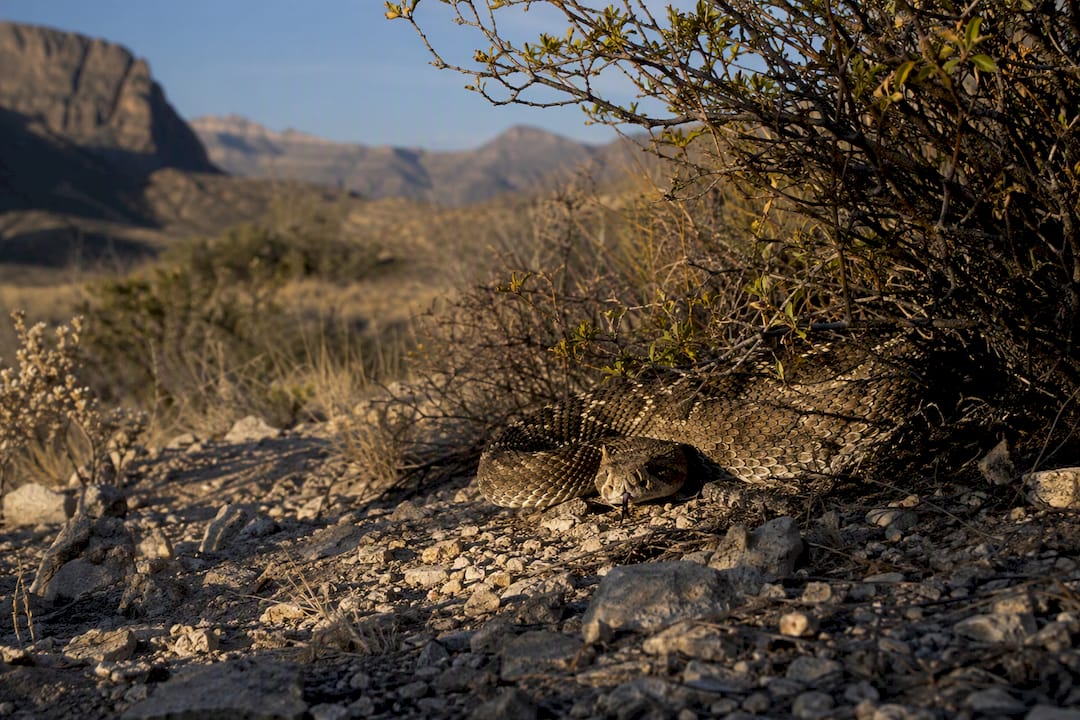
The single most important step to avoid rattlesnake bites in Texas is to stay alert and wear sturdy footwear, watching where you step and reach. If a rattlesnake bites you anyway, the best thing you can do is get to emergency medical care immediately. Skip every home remedy you’ve heard about. Tourniquets, cutting, ice, and suction don’t help, and they can make things worse.
TL;DR:
- Wearing sturdy boots and avoiding tall grass or brush significantly reduces the risk of rattlesnake bites during outdoor activities in Texas.
- Most bites happen when people corner or handle snakes, not during random encounters, so keeping a safe distance is crucial.
- Immediate first aid involves staying calm, immobilizing the limb, and rushing to medical care, while outdated remedies like tourniquets or cutting worsen outcomes.
- Removing hiding spots and controlling rodent populations around properties greatly decreases local rattlesnake habitation.
- The majority of rattlesnake bites in Texas are non-fatal when victims seek prompt medical treatment with antivenom.
Table of Contents
- Where Rattlesnakes Live in Texas and When They’re Most Active
- How to Avoid Rattlesnake Encounters When Hiking, Working, or Camping
- If You See a Rattlesnake: Safe Immediate Actions
- If Bitten: Immediate First Aid and What to Expect at Medical Care
- Making Your Yard, Campsite, or RV Site Less Inviting to Snakes
- Legal and Wildlife Considerations in Texas
- How Mesquite Oasis Approaches Rattlesnake Safety for Guests
- What People Get Wrong About Snake Country
- Sources
- FAQ
Where Rattlesnakes Live in Texas and When They’re Most Active
Texas is home to roughly 10 rattlesnake species, and the Western diamondback shows up in nearly every corner of the state. Far West Texas, especially the Trans-Pecos region, holds the densest mix of species thanks to its rocky terrain and dry brush country.
Activity ramps up as temperatures climb in spring and stays elevated through early autumn. On hot days, rattlesnakes shift to dawn, dusk, and nighttime movement to avoid baking on open ground, so a quiet afternoon hike can feel deceptively safe while an evening walk carries more risk.
Watch for rattlesnakes in these spots:
- Rock outcroppings and ledges that hold heat
- Brush piles, downed wood, and tall grass
- Rodent burrows and abandoned animal dens
- Streambanks and pond edges, especially for water-adjacent species
How to Avoid Rattlesnake Encounters When Hiking, Working, or Camping
Most bite prevention comes down to what’s on your feet and how carefully you place them. Rattlesnake bite prevention starts with basic protective gear and a habit of scanning the ground ahead of you, not just where you’re standing.
- Wear boots and long pants. Snake chaps or snake-proof boots make sense for ranch work, brush clearing, or off-trail hiking.
- Stay on established trails whenever you can, and use a walking stick to probe tall grass or leaf litter before you step into it.
- Look before you reach. Never put a hand into a woodpile, rock crevice, or dense brush without checking first.
- Carry a flashlight at night. Nocturnal activity picks up in warm months, and a bright light gives you a second to react.
- Never handle, provoke, or try to kill a snake. Texas A&M AgriLife experts stress that rattlesnakes are defensive, not aggressive, and most bites happen when someone corners or grabs one.
- Keep dogs on a leash around rocky or brushy terrain, and pull them away immediately if they start sniffing intently at a hole or pile of debris.
Pro Tip: A snake doesn’t always rattle before it strikes. Texas Parks & Wildlife notes that rattlesnakes may bite without warning, so treat any brush pile or rock ledge in snake country as a risk, sound or no sound.
If You See a Rattlesnake: Safe Immediate Actions
Freeze first, then back away slowly. Rattlesnakes strike within a limited range, and giving one room almost always ends the encounter without incident.
- Stop moving the instant you spot or hear a snake, then retreat along the path you came from.
- Don’t turn your back and sprint. Move in a wide arc so you’re never walking blindly into the space it could reach.
- Keep your eyes on the snake until you’ve put real distance between you.
- Leave it alone if it’s in a remote area; call your local animal control or a wildlife removal professional if it’s denned up near a house, trail entrance, or high-traffic area.
A snake that’s coiled and rattling isn’t hunting you. It’s asking you to leave, and stepping back is usually the whole solution.
If Bitten: Immediate First Aid and What to Expect at Medical Care
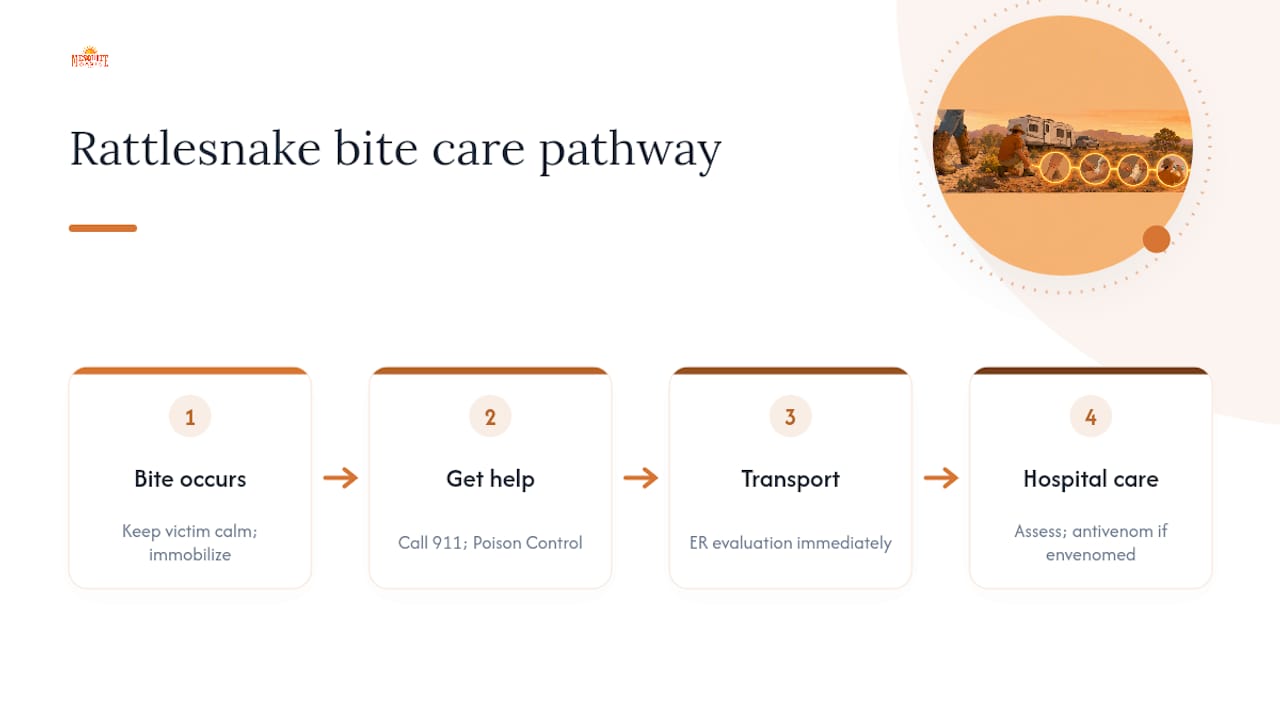
The current medical standard has moved away from every dramatic first-aid trick you’ve seen in old movies. Immobilize the limb, keep the victim calm, and get to definitive care fast. That’s the entire playbook now.
Call 911 or get to the nearest emergency room the moment a bite happens, and call Poison Control at 1-800-222-1222 for guidance while you’re moving. Keep the bitten limb still and positioned at or slightly below heart level, and remove rings, watches, or anything tight before swelling sets in.
Skip every outdated remedy. Texas DSHS is explicit that tourniquets, cutting the wound, suction devices, ice, and electric shock treatments do not work and often cause additional tissue damage or delay real treatment.
Hospitals treat rattlesnake bites with antivenom when venom has actually been injected. Some bites turn out to be “dry,” meaning no venom was delivered, but there’s no way to know that in the field, so every bite gets evaluated the same way: as an emergency.
Fatal outcomes are rare when care comes quickly. Nationally, an estimated 1,000 rattlesnake bites are reported each year, with typically fewer than four deaths, a number that reflects how effective prompt hospital treatment has become. Waiting to “see if it’s bad” is the real danger, not the venom itself. Some victims feel only mild swelling in the first hour and assume they got lucky, then deteriorate hours later. Get evaluated regardless of how the bite feels at first.
Making Your Yard, Campsite, or RV Site Less Inviting to Snakes
Rattlesnakes go where food and cover are easy to find, so removing both is more effective than any spray or granule marketed as a repellent. No chemical repellent has been proven to work; habitat management is what actually reduces sightings.
- Keep grass mowed short and clear brush or wood piles away from walking paths and doorways.
- Control rodent populations. Mice and rats are the main food draw for hunting snakes.
- Fill in old burrows and seal gaps under sheds, foundations, and RV skirting where a snake could shelter.
- Store firewood off the ground and away from the building, and check storage bins before reaching in.
- For persistent visitors, call a professional for removal rather than trying to handle it yourself, and consider snake-proof fencing around play areas or pet runs.
Legal and Wildlife Considerations in Texas
Landowners can generally remove nongame wildlife, including most rattlesnakes, from private property, but rules vary and a few species carry protections requiring permits, including the timber rattlesnake in parts of its range. TPWD’s nongame regulations discourage killing snakes outright, since they control rodent populations and most bites happen during attempts to kill or handle them. Check current rules with TPWD or your county extension office before acting, and never touch a dead snake. Fangs can still deliver venom through reflex long after the snake has died.
How Mesquite Oasis Approaches Rattlesnake Safety for Guests
West Texas oil field work puts crews outdoors at odd hours, often walking gravel lots or checking equipment before dawn. The grounds are kept mowed, storage areas clear, and site skirting maintained to reduce cover where snakes might den near rigs. Guests booking a full hookup RV site can inspect their spot on arrival and flag anything unusual through our online registration instead of tracking someone down by phone. If you’d rather skip outdoor exposure altogether, our furnished lodge rooms put you indoors after a long shift, no site setup required.
What People Get Wrong About Snake Country
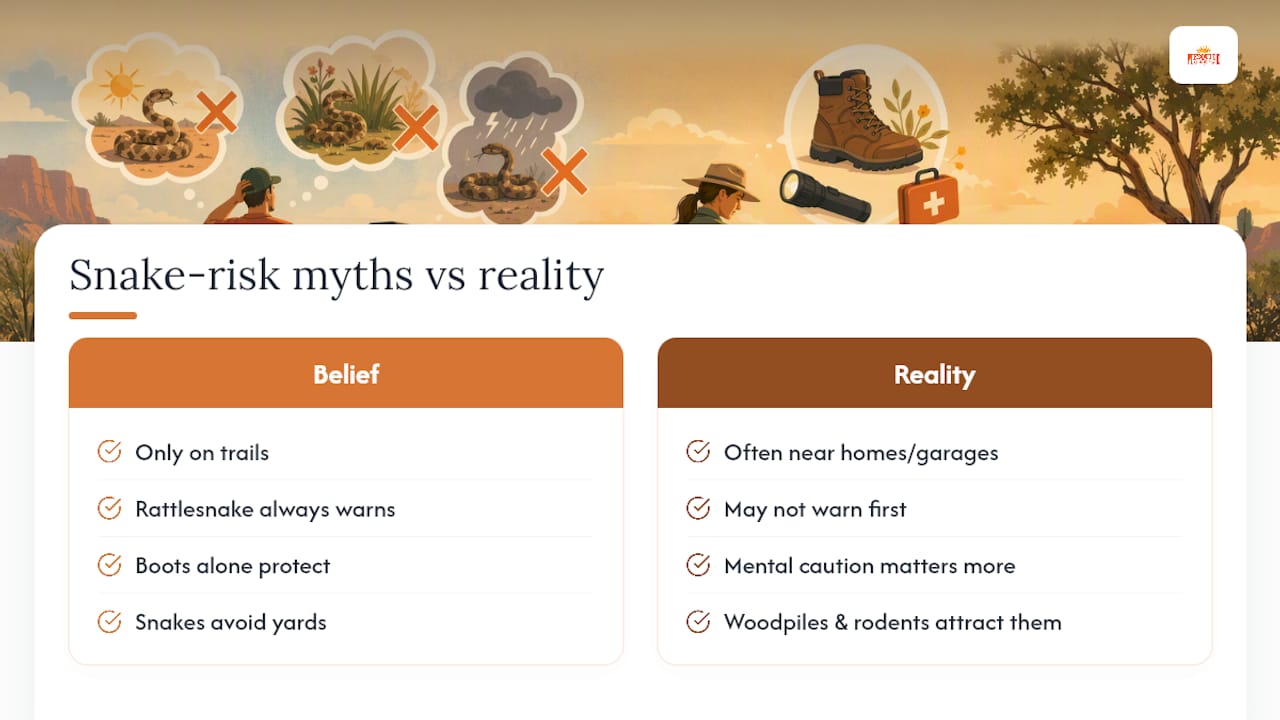
Most Texans treat rattlesnake risk as a hiking-trip concern, something that only matters out past the city limits. That’s backwards. The bites Texas A&M AgriLife sees most often happen around homes, sheds, and yards, not on remote trails, because that’s where woodpiles and rodents cluster and where nobody’s watching their feet. You’re more likely to get bitten reaching into a garage storage bin than crossing a desert switchback.
The other misconception worth killing outright: that a rattlesnake will always warn you first. It won’t. Treat every rock ledge, brush pile, or gravel lot in snake season as if something could be under it, whether or not you hear a rattle. That single mental shift, more than any boot or spray, is what actually keeps people safe.
This article is general information, not a substitute for advice from a qualified doctor. Consult a qualified healthcare professional about your own circumstances before acting on anything here.
Sources
This guidance draws on Texas Parks & Wildlife, Texas A&M AgriLife, and Texas DSHS, the state’s official wildlife and health authorities. For any suspected bite, call Poison Control at 1-800-222-1222.
- Snakes — Texas Parks & Wildlife Department
- Five ways to prevent negative encounters with snakes this spring — AgriLife Today
- Venomous snake guidance — Texas DSHS
- Rattlesnakes — UC IPM Program
FAQ
How Many Rattlesnake Deaths Happen per Year in Texas?
Texas doesn’t publish a state-specific fatality count, but nationally, roughly 1,000 rattlesnake bites are reported each year with typically fewer than four deaths. Prompt hospital treatment with antivenom is the main reason fatal outcomes stay rare.
What Area of Texas Has the Most Rattlesnakes?
Far West Texas, particularly the Trans-Pecos region, has the highest concentration and diversity of rattlesnake species in the state. The Western diamondback is also widespread across most of Texas, so risk isn’t limited to any one region.
Is Killing a Rattlesnake Illegal in Texas?
Killing most rattlesnakes on private property is generally allowed under TPWD nongame wildlife rules, though a few species carry protections and permit requirements. TPWD still discourages killing snakes, since rodent control benefits and safety risks from attempted kills often outweigh the perceived threat.
What Should I Do Immediately if a Rattlesnake Bites Me?
Stay calm, keep the bitten limb still and at or slightly below heart level, and get to an emergency room right away. Call Poison Control at 1-800-222-1222 for guidance en route, and never use a tourniquet, cutting, or suction, since Texas DSHS confirms these outdated methods do not help and can cause additional harm.


