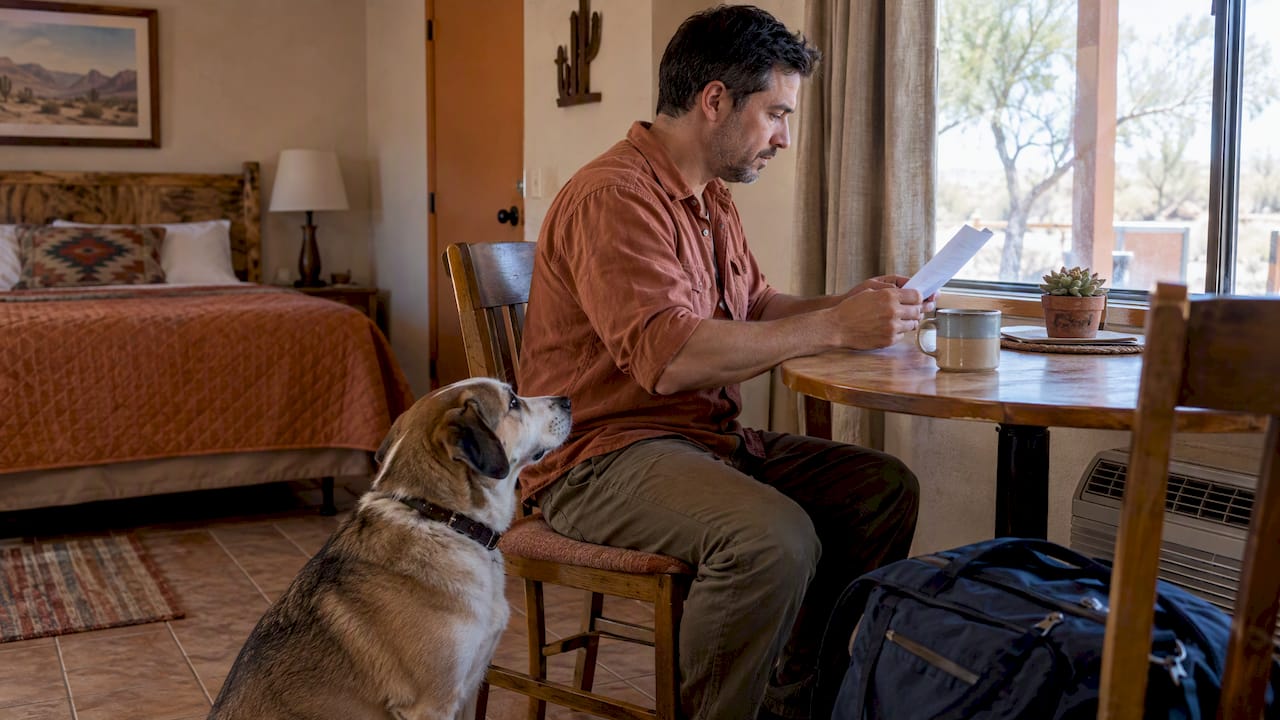
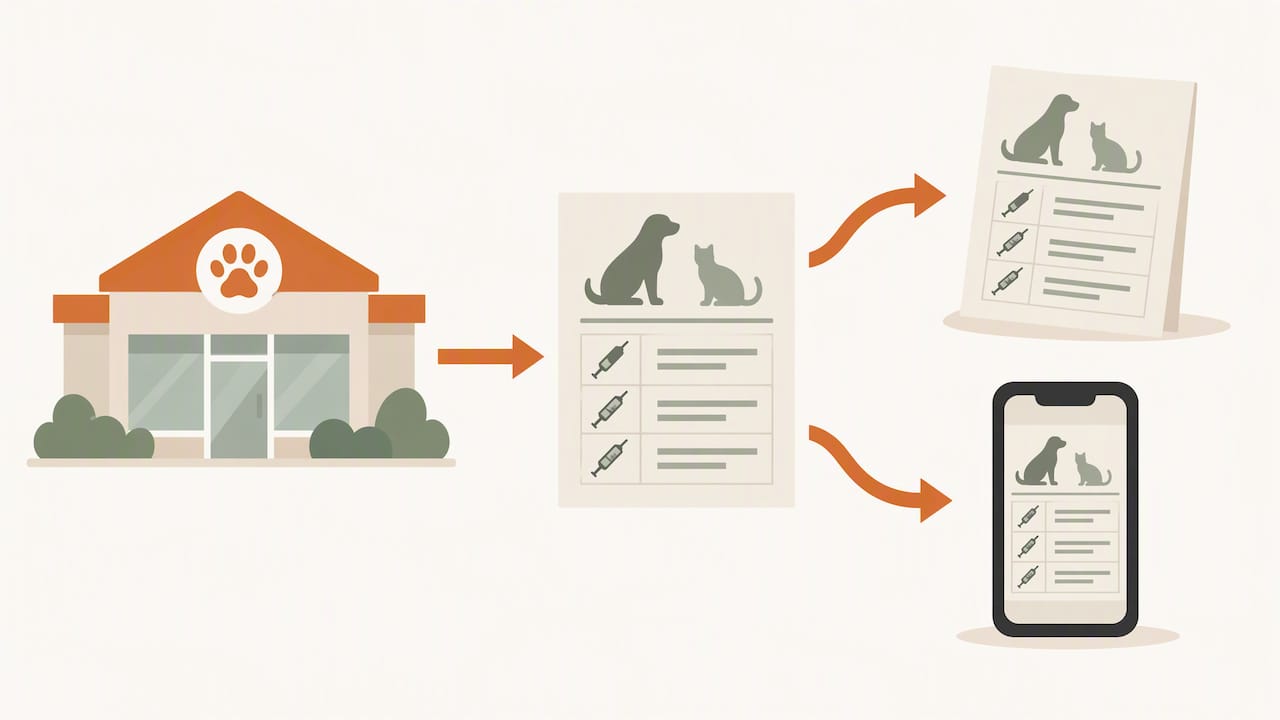
Most boarding facilities and pet-friendly lodging want a vet-issued rabies certificate plus core shots (dogs need DAPP/DHPP and often bordetella, cats need FVRCP), and they will take proof three ways: an original paper certificate, a signed PDF from your clinic, or a secure link from a pet health app. Microchip numbers come up often, and international travel adds separate USDA and CDC paperwork.
TL;DR:
- A valid record identifies the pet, lists vaccine names and dates, and shows clinic details plus a veterinarian’s signature; include a microchip number if requested.
- Ask your clinic to send a signed copy directly, but provide written consent and request it early because transfer can take longer than expected.
- Many facilities ask for vaccines 10 to 15 days before boarding; if timing is tight, confirm acceptance with your veterinarian and the facility.
- International dog travel may require CDC titer testing for dogs from countries with high rabies risk and specific forms completed by a USDA accredited veterinarian.
Table of Contents
- Which vaccines do boarding facilities typically require?
- What makes a vaccination record valid for check-in
- How to send vaccination records to a boarding facility
- Timing: how long before a stay should vaccines be given
- When CDC or USDA paperwork applies instead of standard boarding proof
- How lodging operators actually verify records at check-in
- Bringing your pet to Mesquite Oasis: our vaccination record policy
- FAQ
- Sources
- Authoritative resources for pet vaccination and travel paperwork
Which vaccines do boarding facilities typically require?
Dogs usually need a current rabies vaccine, since many states and counties mandate it by law, along with the DAPP or DHPP combination that protects against distemper, parvovirus, and related diseases. Bordetella is a common add-on because kennel cough spreads fast in group housing, and some facilities also ask for leptospirosis coverage depending on regional risk. The AAHA canine vaccination guidelines outline which of these count as core vaccines and how often boosters are typically due.
Cats generally need rabies and FVRCP, which covers feline viral rhinotracheitis, calicivirus, and panleukopenia. Respiratory protection matters more in shared spaces, where airborne illness moves quickly between animals housed close together.
Other pets, like ferrets, sometimes face their own rabies documentation requirements at facilities that board exotic species, though policies vary widely by location.
- Dogs: rabies, DAPP/DHPP, often bordetella and sometimes leptospirosis
- Cats: rabies and FVRCP
- Other species: check with the specific facility, since exotic pet policies differ
Rabies rules can be set by state or county law rather than by the facility itself, so confirm your local requirement before you assume a single national standard applies.
What makes a vaccination record valid for check-in
Boarding staff look for a handful of specific details before they accept a record, and missing even one can slow down your check-in.
- Pet identification, including name, species, breed, and a basic description that matches the animal in front of them.
- The vaccine name, the date it was administered, and the expiration or next-due date when the vaccine type requires one.
- Clinic information and a veterinarian’s signature or stamp, often on letterhead, confirming the shot was given by a licensed provider.
- The vaccine’s lot number and product name, when the clinic includes them, since this detail helps facilities verify authenticity if questions arise.
- A microchip number, when the facility requests one, since it ties the paperwork directly to the animal being boarded.
Acceptable formats include the original rabies certificate, a printed medical record from your clinic, a clinic-signed PDF, or a secure shareable link generated by a digital records app. The AVMA model rabies control document describes exactly what a properly completed rabies certificate should contain, including owner information, vaccine dates, and the administering veterinarian’s signature.
Pro Tip: Ask your clinic for a digital copy at the same visit where you get the paper certificate, so you have a backup ready before you ever pack the car.
How to send vaccination records to a boarding facility
The smoothest option is asking your clinic to email or fax a signed copy directly to the facility, since that keeps the document on official letterhead and skips any question about authenticity. Give your clinic the facility’s contact information and your written permission to send records, because most clinics require consent before releasing files to a third party.
Digital tools offer a faster path for last-minute bookings. Clinic portals and pet health apps can generate secure shareable links or exportable PDFs, though it is worth checking that the export actually shows the vaccine name, date, and veterinarian signature rather than just a vague summary screen.
- Bring the original paper certificate to check-in along with a digital backup on your phone.
- If records are not ready yet, call the facility ahead of arrival rather than showing up without documentation.
- Request records from your clinic a few days early, since consent and transfer can take longer than expected.
- Keep a photo of the certificate saved separately from the app, in case a link expires or a signal drops.
Clinics generally need your signed consent before transmitting medical records anywhere, so build that request into your trip planning instead of leaving it for the morning you leave.
Timing: how long before a stay should vaccines be given
Many boarding facilities ask that vaccines be completed some days before a stay begins, giving the pet’s immune system time to respond and giving the clinic time to finalize paperwork. Rabies validity depends on the vaccine’s labeling, state law, and the clinic’s own records. A booster given without any lapse in coverage is often valid immediately, but the exact rule can shift by state and by product, so don’t assume one standard applies everywhere.
If your pet’s vaccination date falls close to your travel date, call both your veterinarian and the lodging facility before you leave. Some facilities will accept a signed note from your vet confirming the shot was given on schedule, even if the standard certificate isn’t printed yet.
When CDC or USDA paperwork applies instead of standard boarding proof
Domestic boarding relies on your clinic’s own records, but international travel follows a stricter set of rules entirely. The CDC dog importation requirements page lays out when a rabies titer test is required for dogs arriving from high-risk countries and when a USDA-accredited veterinarian must complete specific certification forms.
- A Certification of U.S.-Issued Rabies Vaccination form documents a dog’s existing rabies vaccine history for return travel.
- A Certification of Foreign Rabies Vaccination and Microchip form applies to dogs vaccinated outside the United States.
- CDC titer testing requirements apply specifically to dogs coming from countries the agency classifies as high risk for rabies.
Export and import forms carry strict time windows, and the AVMA summary of CDC importation requirements notes that some forms cannot be issued retroactively once travel has already happened. Anyone planning an international move with a pet should talk to their veterinarian and review the official CDC and USDA pages well before booking travel, since standard boarding proof will not satisfy these separate requirements.
How lodging operators actually verify records at check-in
From the host side, verification usually means checking that a document looks clinic-issued and, when something seems off, calling the clinic directly to confirm it. Clear clinic contact information and a visible veterinarian signature cut that process down to minutes instead of a long hold at the front desk. The most reliable approach combines a paper copy, an emailed PDF, and an app link, so staff have a backup if one format is hard to read. Facilities sometimes have to turn away a booking when records are incomplete, and that’s almost always avoidable with a little early submission.
Bringing your pet to Mesquite Oasis: our vaccination record policy
We welcome pets, and we ask every guest to provide proof of current vaccinations at booking or at check-in. Submitting records early means a faster arrival and no surprises when you pull into the park after a long shift.

- Upload your pet’s vaccination record during online booking, or bring the original certificate with you at check-in.
- Check our rates and fees page for pet fee details before you arrive.
- Review our full park policies for everything related to pets, deposits, and extended stays.
Whether you need a full-hookup RV site or a furnished lodge room, you can apply, pay, and manage your stay entirely online, day or night, without a single phone call. Reserve your spot today and bring your pet along for the stay.
FAQ
Where do I find vaccine records on the PetDesk app?
Vaccine records in PetDesk are typically stored under your pet’s profile, usually in a section labeled health records or vaccine history, since your clinic uploads them directly to the app. If you don’t see current records there, contact your veterinary clinic to confirm they’ve synced the latest visit.
Which airline is best for transporting pets?
Airline pet policies vary widely by carrier, cabin space, and whether your pet travels in the cabin or as cargo, so there isn’t one universal best choice. Contact the airline directly and review its current pet travel policy before booking, since requirements and fees change often.
Can you find out if a dog has been vaccinated?
Yes, a veterinarian-issued rabies certificate or clinic medical record is the standard way to confirm a dog’s vaccination history, and a microchip number can help verify that the record matches the correct animal. Boarding facilities and clinics may also call the issuing clinic directly to confirm authenticity when needed.
Does the government verify vaccination records for pet owners moving internationally?
For international travel, CDC and USDA review specific forms rather than a standard boarding certificate, and some of these forms must be completed by a USDA-accredited veterinarian within strict time windows, according to CDC guidance on dog importation. Domestic boarding and lodging generally rely on clinic-issued records instead of government review.
How far in advance should I update my pet’s vaccinations before boarding?
Many facilities ask that vaccines be completed at least 10 to 15 days before a stay so the pet’s immunity has time to build and the clinic has time to finalize paperwork. If your pet’s vaccination date falls close to your travel date, check with both your veterinarian and the facility ahead of time.
Sources
Authoritative resources for pet vaccination and travel paperwork
For the official rules behind everything covered here, the CDC’s dog importation guidance explains titer testing and form requirements for international travel, while the AVMA model rabies control document details what a proper rabies certificate must include. The AVMA’s summary of CDC import rules walks through USDA-accredited veterinarian requirements, and the AAHA canine vaccination guidelines cover which vaccines count as core protection for dogs. For pet owners planning extended travel, resources like nomad insurance guides can also help with broader trip planning. Our own park policies page covers pet-specific rules at Mesquite Oasis, and your veterinarian remains the best resource for questions specific to your pet’s health history.


