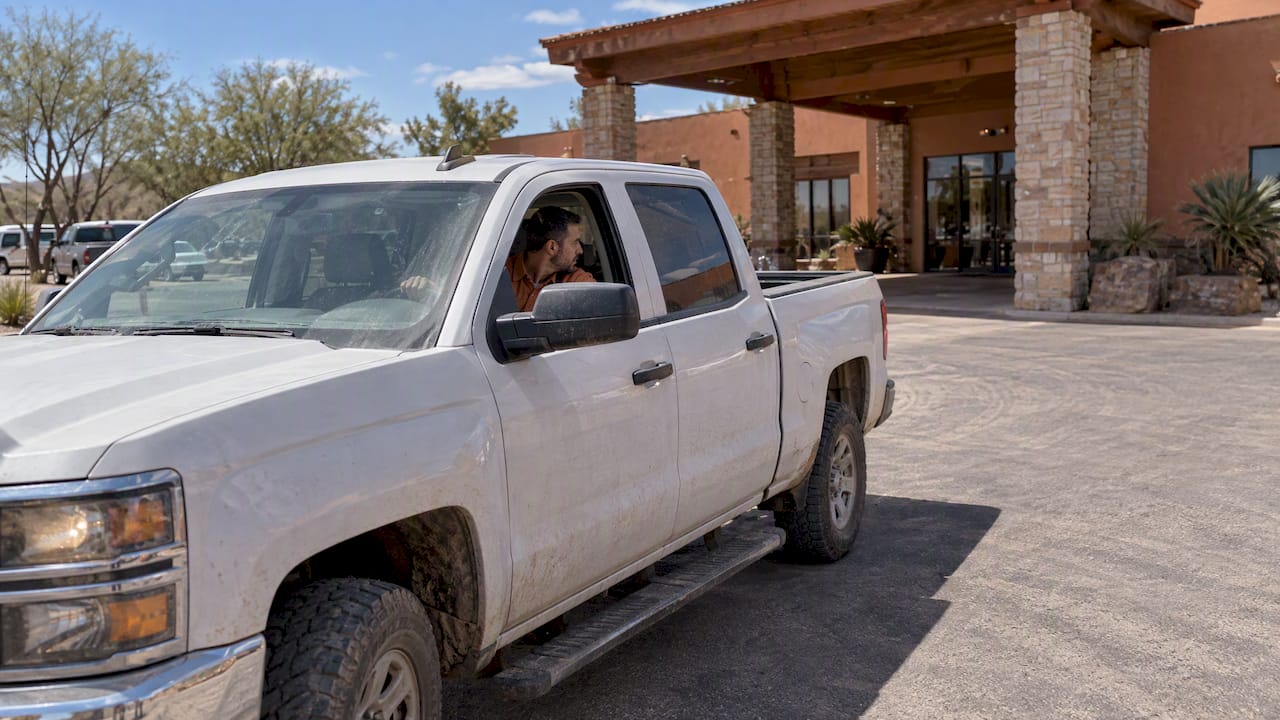
For multi-month jobs, furnished rentals or serviced apartments usually stretch a budget furthest, while RV sites or on-site modular setups work best when vehicles, trailers, and crews need to stay adjacent to the work. An RV park and lodge combination, like the setup at Mesquite Oasis in Odessa, Texas, shows how one property can serve both needs. The sections below break down costs, logistics, and compliance basics so you can match the right option to your stay length and crew size.
TL;DR:
- For stays beyond two weeks, furnished rentals or serviced apartments usually cost less than hotels, but compare utility caps, parking, pet, and cleaning fees.
- Crews hauling trailers and tools should prioritize RV sites or lodges with secure parking, storage, and block booking; solo workers often need a private room.
- GSA guidance starts at 30 nights for federal stays, with reimbursement based on work location; OSHA requires sleeping quarters to be heated, ventilated, and lighted.
- Reserve housing 30 to 60 days before work begins, negotiate exit terms early, and request consolidated monthly invoices for crew bookings.
Table of Contents
- Types of contractor lodging and what each one actually provides
- Cost factors and budgeting for multi-month stays
- What contractors need to check before booking a stay
- Booking, negotiating, and invoicing for longer assignments
- Safety and sanitation basics for temporary worker housing
- Client spotlight: how Mesquite Oasis models workforce housing
- Priority checklist for booking crew housing
- Book workforce housing without the back-and-forth
- FAQ
- Sources
Types of contractor lodging and what each one actually provides
Contractors on assignment generally choose from five lodging categories, and each one solves a different combination of budget, duration, and crew logistics. Industry guides group contractor accommodation into furnished rentals, serviced apartments, extended-stay hotels, and co-living setups, which line up closely with what traveling crews encounter in the field.
- Extended-stay hotels offer daily housekeeping and a kitchenette but charge nightly or weekly rates that add up fast past a month.
- Furnished rentals and serviced apartments include full kitchens, laundry, and more space, usually at a lower monthly cost than a hotel once you pass the two-week mark.
- RV park sites with full hookups fit contractors traveling with their own rig, and they double as equipment and trailer parking.
- On-site modular or worker-camp housing gets installed near remote job sites when no other lodging exists within a reasonable commute.
- Co-living or bunk-style rooms split costs across a crew and work well for short rotations where privacy matters less than price.
A single contractor on a six-week assignment without a vehicle often does best in a furnished rental near the site. A four-person crew hauling trailers and tools for a three-month job usually saves money and hassle at an RV park or lodge that offers secure parking and block booking. Match the choice to how long you’re staying and how much equipment travels with you, not just to the nightly rate.
Cost factors and budgeting for multi-month stays
Nightly hotel rates look manageable until you multiply them across 90 nights. Weekly and monthly rates almost always come out cheaper per night, and most furnished rentals and RV parks price that way specifically because they expect longer stays. Watch for add-on fees that change the real total: pet fees, utility caps, parking charges, and cleaning fees can turn an attractive base rate into something closer to the hotel you were trying to avoid.
For contractors on federal work, GSA’s long-term lodging guidance applies once a stay reaches 30 nights or more, and reimbursement is based on the work location rather than where the traveler lives. That distinction matters when a crew is dispatched somewhere with a higher per-diem rate than their home base.
Comparing a 3-month stay (illustrative numbers only):
- An extended-stay hotel at a moderate nightly rate can become quite expensive over a three-month stay before taxes and fees.
- A furnished rental or RV site booked monthly, such as a 50-amp RV site, totals significantly less for three months compared to nightly rates.
- A lodge room booked monthly, like a single room, totals a moderate amount for the same period.
Employment for construction laborers and helpers remains strong and is projected to grow, which keeps demand for contractor housing steady in active work regions. Run your own numbers against the specific property’s posted rates rather than relying on averages, since add-on fees and location vary widely.
What contractors need to check before booking a stay
Before signing a lease or booking a block of rooms, confirm the details that actually affect day-to-day life on a job site. A property that looks great online can fall short once a crew shows up with trailers and tools.
- Confirm heavy-vehicle and trailer parking capacity, not just general lot space.
- Ask whether secure, lockable storage exists for tools and equipment.
- Check laundry capacity against crew size so machines aren’t constantly tied up.
- Verify kitchen or cooking access if you plan to cut food costs over a long stay.
- Test or ask about Wi-Fi reliability, since slow connections slow down invoicing and reporting.
- Confirm access control, whether that’s a gate code, key fob, or personal PIN.
Rooming configuration depends on crew size: solo contractors often prefer a private room or studio, while four-to-eight person crews do better with bunk rooms or a block of adjoining units booked together. For a related comparison of hotel, apartment, and lodge or RV stays by duration, see this breakdown of lodging by stay length.
Pro Tip: Confirm heavy-vehicle parking and turning space in writing before booking, and check local ordinances on overnight truck parking if you’re staying somewhere without a dedicated lot.
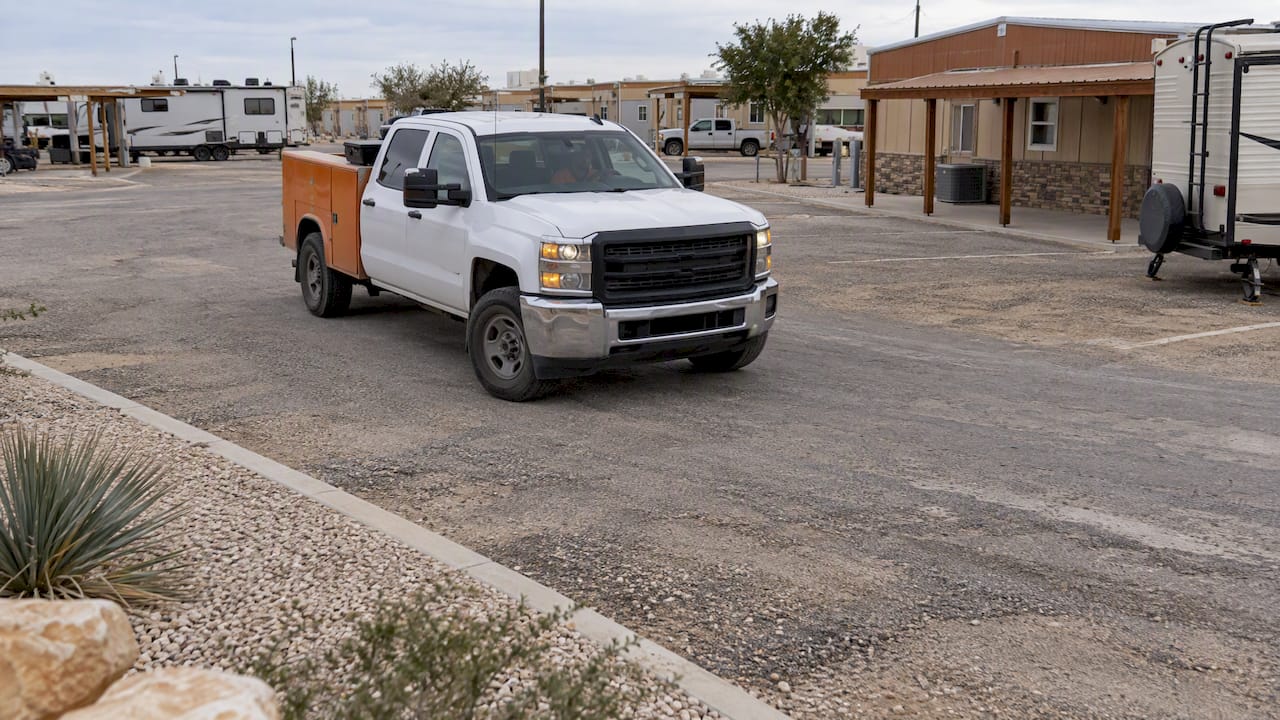
Booking, negotiating, and invoicing for longer assignments
Securing a good rate for a multi-month stay usually comes down to asking the right questions before you commit, not after.
- Request weekly, monthly, or block-booking rates directly, and offer a guaranteed minimum stay or upfront payment terms as leverage.
- Ask whether fees like parking, pet charges, or cleaning can be waived or bundled into a flat monthly rate.
- Negotiate early-exit terms in case the project wraps early or extends, since job timelines rarely hold exactly to schedule.
- Request consolidated monthly invoicing if you’re booking for a crew, since itemized nightly bills multiply the accounting workload for site managers.
Keep a simple paper trail: a signed group agreement, an itemized invoice, written cancellation and extension terms, and your online booking confirmation. Procurement teams booking for multiple workers should look at standard contract clauses for a company housing policy before signing anything. For a side-by-side framework on choosing between a short-term rental platform and an extended-stay property, this comparison guide walks through the same decision points. Booking lead time matters too: properties serving oilfield and long-term crews often recommend reserving housing 30 to 60 days ahead of a project start.
Safety and sanitation basics for temporary worker housing
Temporary housing for crews isn’t just a comfort question, it’s covered by federal standards that employers and booking managers should verify before signing a lease or installing modular units.
- OSHA’s temporary labor camp standard, 1910.142, sets requirements for site layout, shelter construction, water supply, and toilet and bathing facilities to prevent overcrowding.
- OSHA’s sanitation rule, 1926.51, requires temporary sleeping quarters to be heated, ventilated, and lighted, with adequate sanitation facilities provided.
- On-site modular housing should carry local code permits in addition to meeting these federal standards.
For large-scale deployments, FEMA and OSHA guidance on establishing temporary housing for response and recovery workers offers a useful model for how mobile and modular housing gets set up safely at scale. If you’re responsible for booking a crew, verifying that a property or housing plan meets these standards up front avoids problems once workers are already on-site. A planning checklist that ties these OSHA requirements directly to on-site housing decisions is available here.
Client spotlight: how Mesquite Oasis models workforce housing
Mesquite Oasis Lodge & RV Park in Odessa, Texas, runs 241 full-hookup RV sites alongside 110 furnished lodge rooms, giving contractors a choice between bringing their own rig or booking a ready furnished room. The entire process, from application to payment, happens online and is available 24/7, so a crew lead can reserve a block of sites or rooms without a single phone call.
- Full-hookup RV sites suit contractors traveling with trailers who need parking and utilities in one spot.
- Furnished lodge rooms suit workers who want a bed and kitchen access without hauling equipment.
- On-site amenities, including laundry, a gym, and recreational areas, are accessible through a personal PIN code for security.
- Block booking fits companies housing an entire crew for a regional project.
This setup serves crews working in the Permian Basin particularly well, since proximity to active job sites cuts commute time for shift workers. Details on rooms and online booking speed appear in this guide to booking an RV site in under ten minutes.
Priority checklist for booking crew housing
If I had to rank priorities for a busy site manager, it’s safety and compliance first, then parking and storage, then cost, then convenience. The rule of thumb: short stays favor flexibility, long stays favor fixed monthly rates and proximity. Don’t underestimate the fuel and time savings of housing a crew five minutes from the gate instead of forty.
Book workforce housing without the back-and-forth
Our booking process lets a crew lead or solo contractor apply, get approved, and pay entirely online, without phone calls. Our RV sites and furnished lodge rooms cover stays from a single worker on a six-week job to a full crew on a multi-month assignment, with laundry, a gym, and recreational areas accessible through a personal PIN code for security.

- Full-hookup 50-amp and 30-amp RV sites, available weekly or monthly.
- Furnished single rooms and bunk bedrooms for crews who want a ready-made space.
- Block booking and consolidated monthly invoicing are offered for companies housing multiple workers.
- All-inclusive rates with no hidden fees, with booking and payment done online.
Check current availability and rates on our RV sites page, or request a group quote through our workforce housing page if you’re booking for a crew.
FAQ
What are the three main types of lodging for contractors?
The most common categories for contractor stays are extended-stay hotels, furnished rentals or serviced apartments, and RV parks or on-site modular housing. Industry guides for contractor accommodation group these alongside co-living arrangements as the primary options for multi-week to multi-month work.
Where do most construction workers stay during long projects?
Construction workers on multi-month assignments typically choose furnished rentals, extended-stay hotels, or RV parks near the job site, depending on whether they travel with a vehicle or trailer. Crews working in active regions like the Permian Basin often prefer RV sites or lodge rooms that offer secure parking and block booking for the whole team.
What amenities should contractor housing include?
Useful amenities include laundry facilities, kitchen or cooking access, reliable Wi-Fi, secure equipment storage, and heavy-vehicle parking for trailers and work trucks. Access control such as gate codes or personal PIN entry adds security for crews staying several months in one place.
What safety standards apply to temporary worker housing?
OSHA’s temporary labor camp standard, 1910.142, covers site layout, shelter construction, and sanitation facilities, while OSHA’s sanitation rule, 1926.51, requires temporary sleeping quarters to be heated, ventilated, and lighted. Employers and booking managers should confirm a property meets these standards before housing a crew there for an extended period.
How does per diem affect lodging choices for multi-month contracts?
For federal work, GSA’s long-term lodging guidance applies once a stay reaches 30 nights or more, and reimbursement is based on the work location rather than the traveler’s home base. This makes monthly-rate lodging, like furnished rentals or RV sites, generally easier to reconcile against per-diem limits than nightly hotel billing.
Sources
- Construction laborers and helpers | Occupational Outlook Handbook | BLS
- Long term lodging | GSA
- 1910.142 - Temporary labor camps | OSHA
- 1926.51 - Sanitation | OSHA
- Contractor Accommodation Guide | Booking.com for Business


